
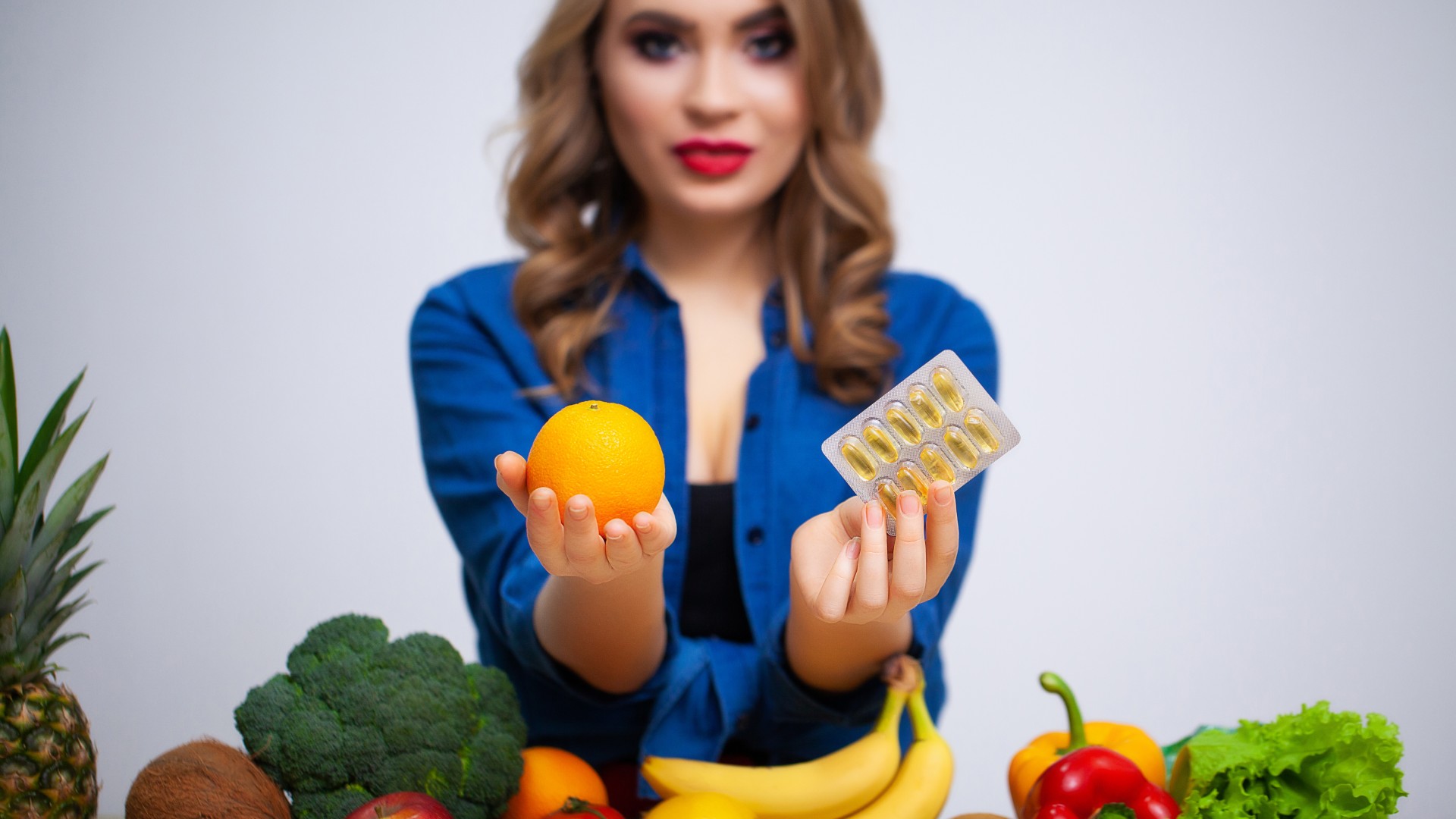
Vitamins Women Need – And Why Food Should Come First
By Dr. David Samadi
You’ve probably heard it before: “Stay healthy by getting the right mix of vitamins.” But what does that mean—and should you be reaching for a bottle of supplements or focusing on your plate?
The truth is, nothing beats a nutrient-rich diet when it comes to giving your body what it needs. Whole foods provide more than just vitamins—they deliver fiber, antioxidants, and a symphony of nutrients working together in ways a pill can’t match. That said, there are times when supplements can help fill in the gaps, especially for women with specific health needs or dietary restrictions.
Let’s break down the essential vitamins women need—and where to get them.
Antioxidants: Your Cell Defenders
Antioxidants are skilled defenders of protecting your cells from damage caused by free radicals—unstable molecules that can accelerate aging and increase disease risk.
- Vitamin A (beta-carotene, carotenoids): Important for skin, vision, and immune health. You can find it in sweet potatoes, spinach, carrots, cantaloupe, and red bell peppers.
- Vitamin C: Helps with wound healing, red blood cell production, and even boosts mood and focus by supporting brain chemicals like norepinephrine. It’s in strawberries, oranges, bell peppers, broccoli, and kiwi.
- Vitamin E: Supports skin and cell health and may slow signs of aging. It is found in sunflower seeds, peanut butter, almonds, and wheat germ—but be cautious with supplements, as too much can increase bleeding risk.
B Vitamins: Energy and Brain Boosters
Specific B vitamins are especially critical for women, particularly during pregnancy, perimenopause, and as they age.
- Vitamin B6 (pyridoxine): Keeps your brain sharp and helps your body turn food into energy. Good sources include chickpeas, fish, bananas, poultry, potatoes, and fortified cereals.
- Vitamin B12: A nutrient necessary for red blood cell production and nerve health. Found in meat, eggs, dairy, and fish. Vegans and older women may need a supplement, especially if absorption is reduced.
- Folate (folic acid): Essential before and during pregnancy to prevent birth defects. It also supports healthy DNA, which helps prevent cancer. Leafy greens, citrus fruits, beans, and fortified grains are excellent sources.
Vitamin D: The Bone Protector
While call Vitamin D a vitamin, it acts more like a hormone. That’s because vitamin D is necessary for helping your body absorb calcium and phosphorus, which are essential for keeping bones strong. Without it, bones can weaken over time, increasing the risk of fractures and osteoporosis.
The very best food sources of vitamin D include egg yolks, fortified dairy or plant-based milk, salmon, and sardines. One of the best sources of vitamin D isn’t found on your plate—it’s the sun. Just 15 minutes of sunlight on your face and hands, at least three times a week, can significantly boost your body’s natural production of this vital nutrient.
Still, many women—especially those with limited sun exposure—may need a supplement. Your doctor can check your levels and guide you.
Vitamin K: Bone and Blood Health
Often overlooked, vitamin K plays a crucial role in maintaining bone strength and facilitating proper blood clotting. Leafy greens, such as kale, spinach, and broccoli, are top choices, along with fish oil and soybeans.
Food First, Supplements Second
Supplements can be helpful—but they’re just that: supplemental. They’re not a replacement for a healthy diet. The best way to obtain the vitamins your body needs is from whole foods that provide a complete nutritional package and one that your body will absorb the best.
If you’re wondering what’s best for your unique needs, don’t guess—ask. Registered dietitians are a woman’s best ally when it comes to personalized nutrition advice. Dietitians hold advanced degrees in dietetics and human nutrition helping you create a meal plan that aligns with your health goals, stage of life, and any specific medical conditions you may be managing.
And remember, before taking any supplement, consult with your doctor or a registered dietitian. More is not always better. Excessive intake of specific vitamins can cause more harm than good.
Bottom Line
A healthy, balanced diet is your best source of essential nutrients—but sometimes, supplements can lend a hand. What’s most important is finding what works for you. And for that, don’t rely on guesswork. Work with a registered dietitian to separate health facts from hype and to feel confident about the choices you’re making for your body.
Dr. David Samadi is the Director of Men’s Health and Urologic Oncology at St. Francis Hospital in Long Island. He’s a renowned and highly successful board certified Urologic Oncologist Expert and Robotic Surgeon in New York City, regarded as one of the leading prostate surgeons in the U.S., with a vast expertise in prostate cancer treatment and Robotic-Assisted Laparoscopic Prostatectomy. Dr. Samadi is a medical contributor to NewsMax TV and is also the author of two books, Prostate Cancer, Now What? A Practical Guide to Diagnosis, Treatment, and Recovery and The Ultimate MANual, Dr. Samadi’s Guide to Men’s Health and Wellness, available online both on Amazon and Barnes & Noble. Visit Dr. Samadi’s websites at robotic oncology and prostate cancer 911.